![Week In Perspective | Wall Street Finishes Strong in Complicated Week [12-October-26] Thumbnail](https://static.twentyoverten.com/content/featured/feature-wall-street-finishes-strong-in-complicated-week.png)
Week In Perspective | Wall Street Finishes Strong in Complicated Week [12-October-26]
The Week In Perspective combines market activity, financial events, commentary and analysis for individual investors.


The Week In Perspective combines market activity, financial events, commentary and analysis for individual investors.
![Week In Perspective | Nasdaq Record, Jobs Report Face Off in Mixed Week [5-October-26] Thumbnail](https://static.twentyoverten.com/content/featured/10-02-2026-feature-nasdaq-record-jobs-report-face-off-in-mixed-week.png)
The Week In Perspective combines market activity, financial events, commentary and analysis for individual investors.
![Week In Perspective | Stocks Advance; Investors' Attention on What's Next. [28-September-26] Thumbnail](https://static.twentyoverten.com/content/featured/09-25-2026-feature-stocks-advance-investors-attention-on-whats-next.png)
The Week In Perspective combines market activity, financial events, commentary and analysis for individual investors.

Janet Yellen, the former Federal Reserve Chair, often said that "monetary policy is not a panacea."1 Just as there is no cure for the common cold, except to let it run its course and address the symptoms, the Fed’s tools often cannot fix the underlying issues in the economy. In theory, monetary policy is meant to help ease these challenges, especially when it comes to the job market and inflation. In practice, however, the Fed does not control the economy directly, but instead responds to the economic environment.
![Week In Perspective | Fed Ups Rates; Investors Ponder AI, Oil [21-September-26] Thumbnail](https://static.twentyoverten.com/content/featured/09-18-2026-feature-fed-ups-rates-investors-ponder-ai-oil.png)
The Week In Perspective combines market activity, financial events, commentary and analysis for individual investors.

Areas of the market including small caps, value stocks, and international companies have outperformed over the past year, and their valuations have generally been more attractive. Understanding how sizes and styles have performed can help investors maintain balance. What is happening beneath the surface of the broad market indices, and what does it mean for investors?
![Week In Perspective | Mixed Week for Markets, Mixed Signals from Fed [8-Septmber-26] Thumbnail](https://static.twentyoverten.com/content/featured/09-04-2026-feature-mixed-week-for-markets-mixed-signals-from-fed.png)
The Week In Perspective combines market activity, financial events, commentary and analysis for individual investors.

What does supply and demand tell us about the broader economy, long run trends, and how they interact with a well-constructed portfolio? Commodities can serve as indicators of global conditions, and their volatility is a natural part of how they function. How can investors maintain perspective when commodity markets are moving sharply?

AI and Federal Reserve policy may seem unrelated on the surface, but they are connected. In the short run, this connection is through their effects on financial markets and interest rates, and in the long run through productivity and economic growth. In fact, Fed Chair Kevin Warsh recently addressed these topics at the Fed's annual symposium in Jackson Hole, Wyoming.2 Given how much AI has already impacted markets in recent years, and the continued uncertainty surrounding the Fed's policy direction, what should investors consider from a long-term perspective?
![Week In Perspective | Stocks Upbeat on AI; Warsh: "Less is More." [31-August-26] Thumbnail](https://static.twentyoverten.com/content/featured/08-28-2026-feature-stocks-upbeat-on-ai_-warsh_-_less-is-more_.png)
The Week In Perspective combines market activity, financial events, commentary and analysis for individual investors.

The government publishes several inflation rates, each measuring something different. Learn why the CPI-W used for Social Security differs from the CPI-U, CPI-E, and PCE—and why the inflation rate that matters most is the one you're actually living with.

Since new tariffs were announced last year, global trade has been a source of uncertainty for financial markets and the economy. In February, the Supreme Court ruled that the original “Liberation Day” tariffs were illegal, resulting in a wave of refunds to businesses that are now well underway. New tariffs have been implemented since then under different laws, including recently with close trading partners such as Canada. What Do Tariff Refunds and the National Debt Mean to Investors?
![Week In Perspective | Stocks Slip; Attention Shifts to Bonds [24-August-26] Thumbnail](https://static.twentyoverten.com/content/featured/feature-stocks-slip-attention-shifts-to-bonds.png)
The Week In Perspective combines market activity, financial events, commentary and analysis for individual investors.

What’s Driving Stocks, Bonds, and All-Time Highs? Rising stock prices and higher yields create an environment that requires careful portfolio balance. On the surface, it can seem contradictory for stocks to reach records while interest rates stay high, since rising rates can often slow the economy. However, if both stocks and bonds are being supported by positive trends, long-term portfolios can in turn support financial goals. How should investors think about this environment as markets sit near record levels?
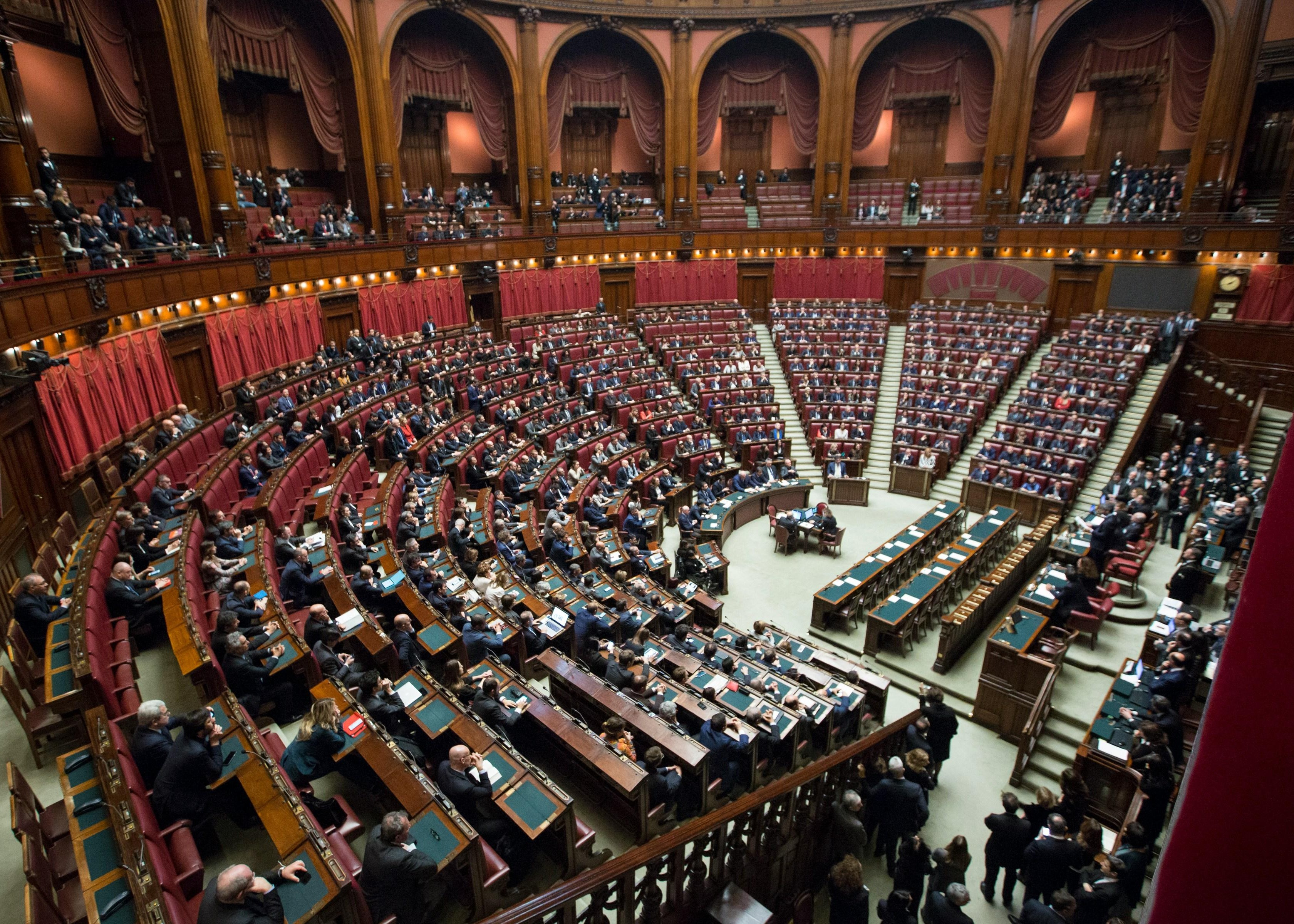
Should you separate your portfolio from political view? With the November midterm election approaching, campaigns are starting to intensify across the country. Politics have only grown more divisive in recent decades, so it’s natural for investors to wonder whether the election should influence their financial decisions.
![Week In Perspective | Stocks Have Best Week in Four Months [10-August-26] Thumbnail](https://static.twentyoverten.com/content/featured/feature-stocks-have-best-week-in-four-months.jpg)
The Week In Perspective combines market activity, financial events, commentary and analysis for individual investors.
![Week In Perspective | Stocks Rally After Fed Hold [03-August-26] Thumbnail](https://static.twentyoverten.com/content/featured/feature-stocks-rally-after-fed-hold.jpg)
The Week In Perspective combines market activity, financial events, commentary and analysis for individual investors.

Treasury rates have surged to their highest levels in recent years due to a combination of concerns around inflation, oil prices, the national debt, and the Fed. The 10-year Treasury yield is once again above 4.6% and the 30-year has been above 5% for the longest streak since 2007.1 In general, this is positive for long-term investors since higher yields support portfolio goals such as income and stability. Perhaps more importantly, real yields have risen even further. Given the importance of rising real yields, what do investors need to consider?
![Week In Perspective | Earnings Season Arrives; Investors Take a Breath [27-July-26] Thumbnail](https://static.twentyoverten.com/content/featured/feature-earnings-season-arrives-investors-take-a-breath.png)
The Week In Perspective combines market activity, financial events, commentary and analysis for individual investors.

"AI" is not a single type of investment. While it’s natural to think of the model providers at the heart of these capabilities, such as OpenAI, Anthropic, Google, and more, they only represent one piece of the puzzle. There is a full supply chain that covers a range of activities, industries, and business models, each with its own characteristics and risks, including hardware, data centers, software providers, and more. What should investors be focused on?