![Week In Perspective | Nasdaq Record, Jobs Report Face Off in Mixed Week [5-October-26] Thumbnail](https://static.twentyoverten.com/content/featured/10-02-2026-feature-nasdaq-record-jobs-report-face-off-in-mixed-week.png)
Week In Perspective | Nasdaq Record, Jobs Report Face Off in Mixed Week [5-October-26]
The Week In Perspective combines market activity, financial events, commentary and analysis for individual investors.


The Week In Perspective combines market activity, financial events, commentary and analysis for individual investors.

Historically, grandparents have had to navigate specific rules when gifting to grandchildren to prevent unintended financial consequences, including tax and financial aid considerations. However, recent changes to federal financial aid now exclude grandparent-owned 529 accounts from the student assets section of the aid calculation. This removes a drawback of these accounts that was a problem historically. This change makes them worth another look as part of a family’s broader financial plan for education funding.
AI and Federal Reserve policy may seem unrelated on the surface, but they are connected. In the short run, this connection is through their effects on financial markets and interest rates, and in the long run through productivity and economic growth. In fact, Fed Chair Kevin Warsh recently addressed these topics at the Fed's annual symposium in Jackson Hole, Wyoming.2 Given how much AI has already impacted markets in recent years, and the continued uncertainty surrounding the Fed's policy direction, what should investors consider from a long-term perspective?
Why did the Fed keep rates unchanged despite higher inflation?

Healthcare costs in retirement often go beyond Medicare premiums. This article takes a look at three of those expenses—prescription gaps, remote-living access, and concierge medicine fees.
What does the recent rise in inflation mean for the economy and markets? The just-released Consumer Price Index report for April showed prices rising 3.8% over the past 12 months, the highest level since mid-2023.

Macroeconomic events have increasingly driven markets. Today, oil prices, new OPEC developments, and tariffs are creating uncertainty. How should long-term investors keep these events in perspective?
![Week In Perspective | Stocks Rise with Upbeat News [11-May-26] Thumbnail](https://static.twentyoverten.com/content/featured/wip-featured-stocks-rise-with-upbeat-news.png)
The Week In Perspective combines market activity, financial events, commentary and analysis for individual investors.
![Week In Perspective | Mixed Week After Ceasefire [27-April-26] Thumbnail](https://static.twentyoverten.com/content/featured/wip-featured-mixed-week-after-ceasefire.png)
The Week In Perspective combines market activity, financial events, commentary and analysis for individual investors.

Have you received an inheritance and aren’t sure what to do next? Learn how to decide whether to spend, save, or invest so you can honor your loved one’s gift while securing your financial future.

President Dwight D. Eisenhower once said that "plans are worthless, but planning is everything." Applied to today, the lesson is that specific geopolitical events are unpredictable, but the fact that they occur regularly is not. The process of structuring a portfolio and making financial plans is designed precisely to deal with this uncertainty. While each event is unique, financial markets have navigated countless wars, crises, and regional conflicts, including the U.S. operation in Venezuela earlier this year. What should investors keep in mind as events unfold in Venezuela, Iran and other nations the coming weeks?
![Week In Perspective | AI Impact Concerns Grow on Wall Street [17-February-26] Thumbnail](https://static.twentyoverten.com/content/featured/ai-impact-concerns-grow-on-wall-street.png)
The Week In Perspective combines market activity, financial events, commentary and analysis for individual investors.
![Week In Perspective | Powell Keeps Cool in the Hot Seat [19-January-26] Thumbnail](https://static.twentyoverten.com/content/featured/wip-featured-11926.jpg)
The Week In Perspective combines market activity, financial events, commentary and analysis for individual investors.
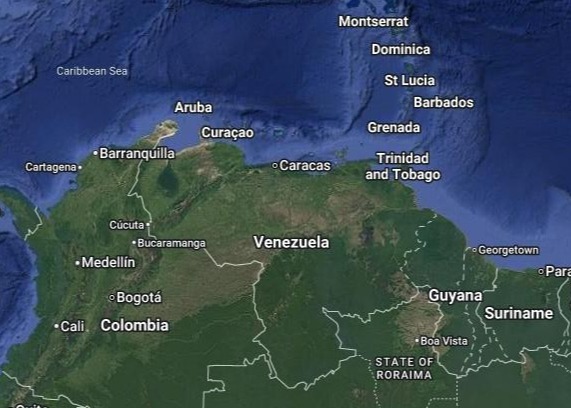
The arrest of Venezuelan President Nicolás Maduro by U.S. forces represents an unexpected and significant geopolitical event. As has been widely reported, the U.S. military successfully conducted an operation that detained Maduro on charges related to drug trafficking and corruption. President Trump stated in a press conference that the United States will "run" Venezuela and work to expand its oil production. While the humanitarian and geopolitical implications for the Venezuelan people and the region are most important, investors may naturally wonder: What do the actions in Venezuela mean for their portfolios? The move raises many questions around the role of the U.S. in the region, whether this will pave the way for democratic elections in Venezuela? the effect on the narcotics trade? if oil production will increase meaningfully, and how it will impact the sphere of influence of countries like Iran and China?

Conventional wisdom says that what goes up must come down. But even if you view market volatility as a normal occurrence, it can be tough to handle when your money is at stake. There's no foolproof way to handle the ups and downs of the stock market. What strategies will help you cope with volatility?

The Federal Reserve plays a key role in supporting the economy and financial system. While headlines often focus on the Fed's next rate decision, much of the debate on both Wall Street and in Washington is around what the Fed’s role should be. The Fed’s mandate has evolved over time in response to financial crises and business cycle trends. For many investors, this can be a controversial topic, with natural disagreements over the scope of the Fed’s authority and what policy actions it should take today on interest rates and the money supply. Looking ahead into next year, these topics matter because they shape not just near-term policy decisions, but the future of the Fed itself. What context do investors need as Fed headlines dominate the news in the coming months?
![Week In Perspective | AI Delivers Rocky Week for Stocks [24-November-25] Thumbnail](https://static.twentyoverten.com/content/featured/wip-featured.png)
The Week In Perspective combines market activity, financial events, commentary and analysis for individual investors.

This article examines one's options when receiving a work bonus or other financial windfalls.
The Week In Perspective combines market activity, financial events, commentary and analysis for individual investors.
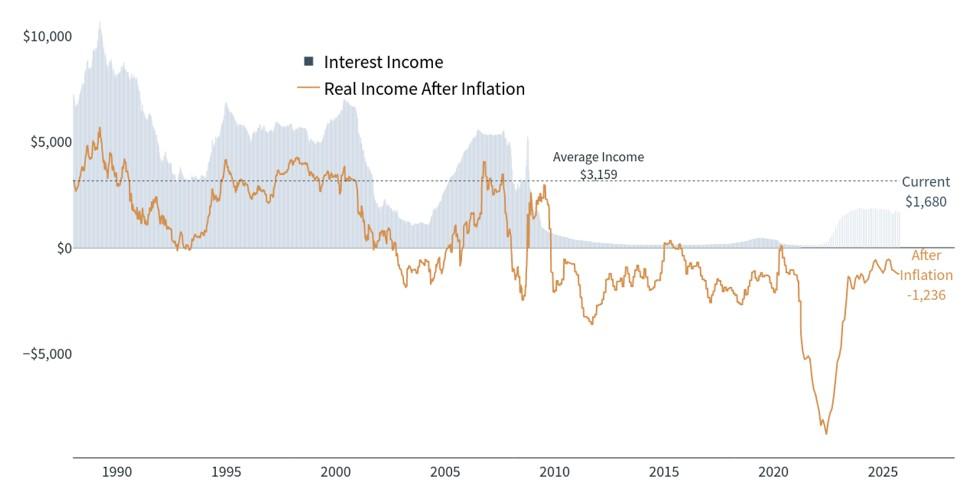
Are Investors Holding Too Much Cash? For long-term investors, a growing challenge today is how to manage cash as short-term interest rates fall. What appears safe actually comes with real costs beneath the surface, since holding too much cash can quietly undermine long-term financial goals. This comes at an important time, when some investors find themselves with “cash on the sidelines,” including a record $7.3 trillion held in money market funds.